How the use of Social Media is Building Player and Fan Connections
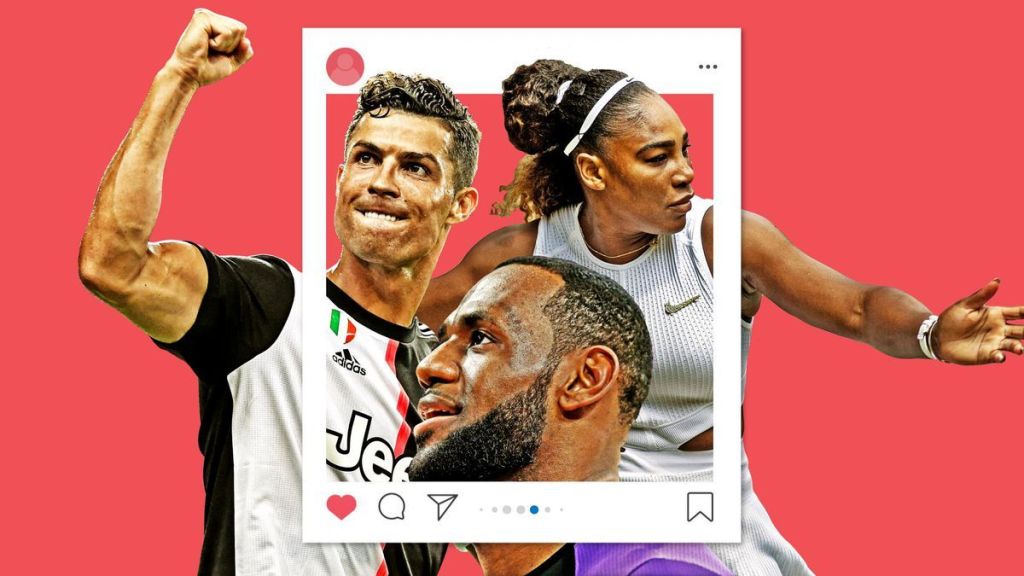
Social Media has been a “ground breaking” platform for sports. Viewers are now able to view games live via social media. They can also watch replays, highlights videos on social media platforms such as Facebook, Twitter, Instagram. Sport fans are way more likely to use twitter compared to those not interested in sports.
The use of social media has allowed professional athletes to brand themselves and not rely on television networks like in the past to represent them. By athletes being able to do this it has helped all aspects of sports. It helps brands, teams and other aspects related to sport be promoted in addition to companies own advertisements of their products.
Fans are able to be more engaged in sports via social media. They can comment on posts, like a post, share a post etc. Fans are also able to follow their favorite athletes to get a view of what athletes’ personal lives are like. By viewing professional athletes’ personal life, fans feel more engaged with their favorite athletes. Fans also at times buy products their favorite athletes use.
An interesting point was brought up by Heidi Browning (Senior Executive VP & Chief Marketing Officer-NHL) in the article “Consuming Traditional Sports Non-Traditionally,” posted on Sports Business Journal, regarding Gen Z. Browning states, “The other thing that they do is, because of this access to content, they have a thirst for knowledge and it’s changed how they interact with sports. So in previous generations, it was all about the team. People would follow the team, you’d be loyal to the team. Now people are following athletes. Athletes first, in fact. In fact, they’ll even follow athletes in sports they don’t even watch. And so that’s a really interesting change. And it’s changing how athletes build their own brands and behave when they’re not on the field or on the ice.” Gen Z is reliant on technology and are the ones companies are focused on. In the same article, Chris Marinak, (Chief Operations & Strategy Officer- MLB), also states how Generation Z doesn’t care as much about the actual sports but more so the connections with the athletes. Gen Z is known for their short attention spans and only wanting to watch quick highlights. Older people are also starting to take on these traits as well.
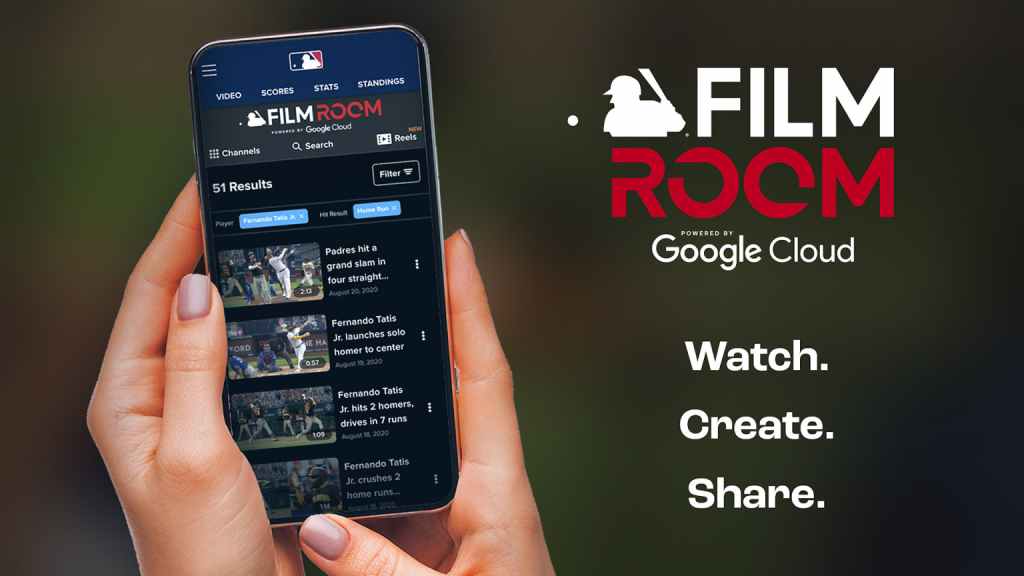
Since fans focus seems to be wanting to connect with players as much as possible, organizations have developed other ways for fans to do so. The MLB has created an MLB Film Room, where viewers can select highlights and create their own highlight reels as well as being able to select a certain category such as curveballs and watch highlights on the chosen focus. This allows younger fans as an educational tool and as a means to also improve their own game, all while being inspired by professional athletes.
Tik Tok seems to be the focus for many organizations when using social media currently. Trends are constantly changing and allows for organizations to go with the current trends since fans tend to enjoy the ever-changing content from Tik Tok. Tik Tok also allows fans to get recognized by athletes, teams, organizations, and celebrities.

Although there are many benefits when it comes to social media in sport, there are also some negatives. Athletes’ reputations can be greatly damaged quickly by posting something controversial or that shows them in a negative light instead of the high standard they are expected to be for fans. Here are some examples.
Filmmaker and co-founder of Religion of Sports, Gotham Chopra, states that athletes are now the brand. “Because of social media and because of this high visibility, it builds an existing audience. They have distribution. They become cultural curators; whatever they wear, whatever they talk about, whichever supplement they take, what water they drink. And suddenly there are smart people around them saying, ‘Hey, there’s an opportunity here.’”
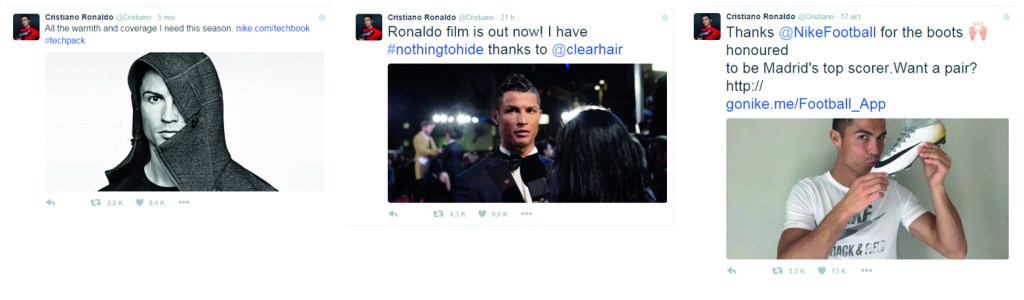
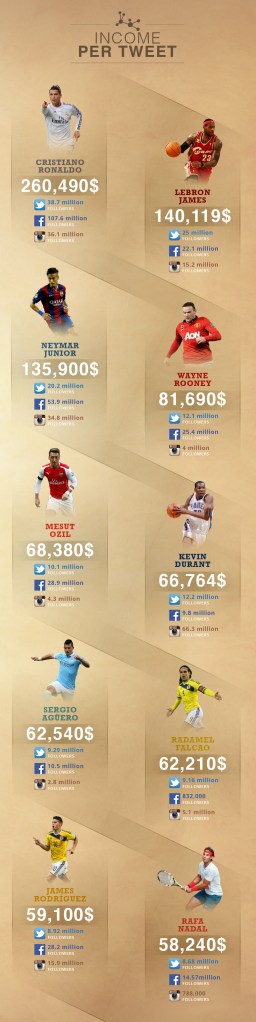
Athletes tell their story best. They are becoming producers of their own filmmaking stories. As well as hosting their own podcasts. Companies are on the rise that can help athletes build their own podcast. Not only are professional athletes turning towards podcasts but college athletes too. A media studio is now part of Clemson’s campus for its athletes. In today’s age: Attention is the new sports oil — and your personal brand is the pipeline.
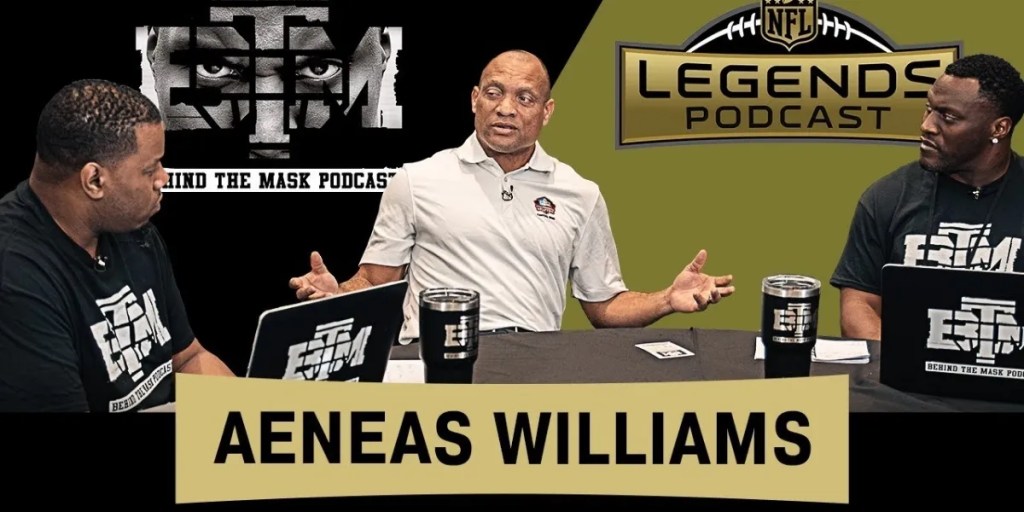
Athletes are setting themselves up for their life when their playing days are over. By doing this, athletes stay relevant to fans. It also evens the playing field for athletes that may not be as popular or as talented as the top athletes. By creating content that an audience is able to be interested in, athletes are able to gain more popularity.
Athletes are able to expand themselves in other hobbies and interests besides their sports. Many turn to the entertainment industry by being broadcasters, doing their own podcasts or creating their own production company. Others are diving more into the fashion industry with its connection to sport. The phenomenon has not only created marketing value for athlete sponsors, but it’s provided new ways for those athletes to reach fans directly without having to rely on teams, brands or networks creating the opportunity.
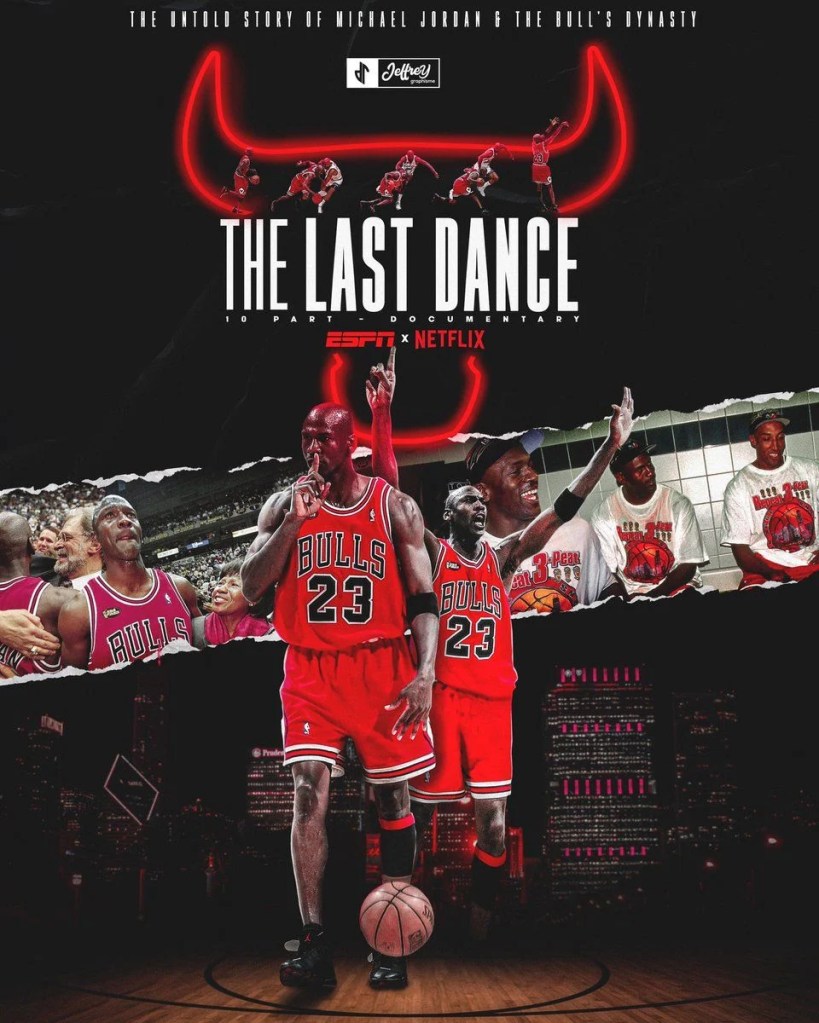
Documentaries have also been created such as Michael Jordan’s “The Last Dance,” in which he would be considered a producer to his own story which included actual footage and behind the scenes footage of life of Michel Jordan and his team. There will also be a documentary about Tom Brady’s 10 Super Bowl appearances. Both these documentaries allow fans to learn more about specific athletes. As well as the stories behind their career, the journey to get to their successful careers, their childhood, their life off the field, family life, their struggles all while being told by the athlete itself. Interviews no longer need to be the main way for fans to connect and learn athletes’ stories.
I personally follow a bunch of different professional athletes where I can learn what their training looks like, their personalities, their diets, fashion style etc. Some of the athletes I follow are Sue Bird, Carli Loyd, Diana Taurasi, Tom Brady, Rob Gronkowski, Julian Edleman and many others!
I can definitely relate to the fact that I do love watching highlight videos also, on Instagram. I follow professional soccer teams, ESPN, NCAA, UConn, etc. on Instagram. I love how I can just see the goals in soccer and not need to watch the whole 90 minute game and potentially miss the goal by turning away at the wrong second. On Instagram I can then continue to watch the highlights again if wanted so I can really focus on moves made by the players, the players setups, players positioning, goalie positioning, and the shot. If I had to rely on watching the game live on TV I would not be able to rewatch the highlights over and over. They would just show the highlights of goals scored a few times if that.
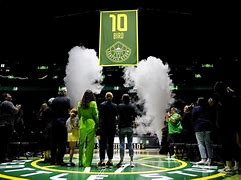
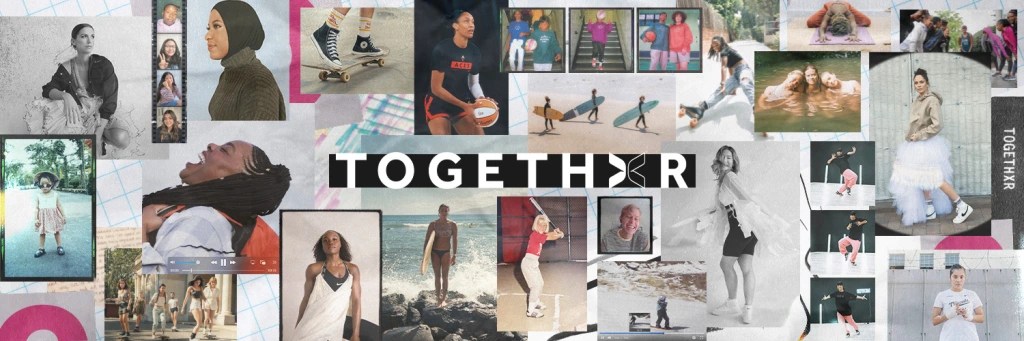
I can also see how athletes build their own brand through social media and how it creates different opportunities for them especially when they retire. For instance, Sue Bird who is one of my favorite players and I have followed her during her time at UConn, as well as her professional basketball career, has just retired from basketball. However, because of her social media accounts I can still follow her and watch what is next for her as opposed to previous generations when fans lose interest or are unable to continue to stay updated on retired athletes’ lives when they are done with their athletic careers since social media didn’t exist. Sue Bird is also an example of someone who has branched out and created her own social media platform called Togethxr. . TOGETHXR IS A MEDIA AND COMMERCE COMPANY FOUNDED BY FOUR OF THE WORLD’S GREATEST ATHLETES: ALEX MORGAN, CHLOE KIM, SIMONE MANUEL AND SUE BIRD. Sue Bird along with Alex Morgan, Chloe Kim, and Simone Manuel are hoping to become the fastest growing women’s sports brand by combining forces to create a community for females to be inspired through impactful stories showcasing different female athletes. Togethxr also is focused on creating equal representation of female sports through companies, teams and brands. I am excited to see what this brand will do for female teams and athletes. I think this is just the start of something great and impactful!
Food for thought Questions:
- What are some other athletes that have branched out and created different opportunities to brand themselves. Some examples might be athletes who have created their own company, brand (clothing, sneakers) , podcast, and other inspirational ideas for fans as a way to connect with them.
- Who are some of your favorite athletes to follow on social media and why? What platforms do you use to follow them? (Tik Tok, Instagram, Twitter, etc.)
- Are there any athletes whose social media presence has ended up backfiring on their careers?
- Are there any ideas you have for ways athletes can use social media to brand themselves besides Podcasts, Instagram posts, and Twitter posts? Where will social media take us in the future regarding sports?
 Game Changer
Hello Sarah!
There are several athletes who have successfully branched out and created different opportunities to brand themselves beyond their sport. Here are some examples:
– LeBron James: LeBron James, one of the most recognizable basketball players, has established a media company called SpringHill Entertainment, which produces films, TV shows, and documentaries. He has also collaborated with Nike to create his own line of sneakers, known as the LeBron signature series.
– Serena Williams: Serena Williams, a legendary tennis player, has her own clothing line called Serena, which offers a range of fashionable and inclusive apparel. She is also an advocate for gender equality and has launched initiatives like the Serena Williams Fund to support causes related to education and empowerment.
There are several instances where an athlete’s social media presence has had negative consequences on their careers. After completing brief research these are the two athletes stories I found the most interesting:
– Antonio Brown: Antonio Brown, an NFL wide receiver, has faced backlash and negative consequences due to his social media activity. His controversial posts and public disputes with teammates, coaches, and organizations have resulted in damage to his professional reputation and difficulties in securing contracts with NFL teams.
– Gilbert Arenas: Gilbert Arenas, a former NBA player, made headlines for his social media activity that included controversial and inappropriate content. His posts involving firearms in the locker room led to league sanctions, legal troubles, and a decline in his basketball career.
LikeLike
Hi Elizabeth!
I didn’t know Serena has her own clothing line! I definitely will check what her athletic style line is. She is a great role model. Thanks for the examples of the athletes whose social media has created negative consequences to their careers. I like that professional athletes are held accountable for their actions whether it is a fine due to bad sportsmanship or something else. I teach high schoolers and they sometimes learn the hard way just like the professional athletes that their posts can impact their future. It must be a terrible feeling to work so hard to get to a professional level only to ruin it because of something said or did on social media! If you were a professional athlete what are some ways you would like to branch out? For me I have always wanted my athletic clothing line , a head band line, and I would want to do create some sort of mentorship programs for the youth athletes.
– Sarah
LikeLike
Hi Sarah!
I would also love to have my own clothing line if I were a professional athlete. I have also always loved the idea of being a home designer. Pinterest vision boards are my favorite! I wish there were more mentorship programs for youth athletes. I hope there are opportunities that evolve in the near future!
LikeLike
I also think it would be cool to have an entertainment company to do films & stories. Yes I hope there is more mentorship programs for youth athletes. As a teacher and coach I see how much kids really need it these days.
LikeLike
Hey Sarah,
Antonio Brown is a great example of someone how has come under a lot of heat from his social media posts. His controversial posts and outlandish behavior has become what he is known for, and it has resulted in his inability to secure NFL contracts. Lebron James and Serena Williams have both done a great job at using their platform to create a career outside of just their sport.
LikeLike
Social media allows fans and consumers to receive information and react to any post that is shown. The information that is being shared needs to be engaging based on the low attention span of Gen-Z. One of my favorite athletes to follow on social media is Max Duggan, ex-QB for TCU. His posts on Twitter and Instagram were top notch this year because of the success TCU had in football. Those posts showed him playing or celebrating after a big win in the historic season. I can think of one player specifically whose social media presence backfired…Johnny Manziel. He would post about going to parties and other non-football related events. He ended up being a subpar player in the NFL, and it is believed to be that he partied to hard which is well-documented.
LikeLike
Hi Jake,
What are some other ways athletes can engage fans through posts? What are some posts you would be interested in seeing? You mentioned Max Duggan since his posts were of him playing or celebrating after games. Were you drawn to him because of the successful season he was having? Or would you also still be drawn to an athlete that posts interesting or engaging content but is maybe an average player? I personally know I am usually am drawn to athletes who I enjoy the way they play and then continue to become more engaged with their personalities, style, influence etc. Also, it really blows me away that some professional athletes choose to not be super disciplined when they make it professionally so they are able to be the best they can be since they finally reached that level, such as Jonny Manziel like you mentioned choose to let other distractions impact his professional career.
-Sarah
LikeLike
Hi Sarah,
I think athletes can engage fans through posts by showcasing that it was not always easy for them to be where they are today. I like when an athlete posts a photo of them putting in the work, and then later on post their success which is what Max Duggan did. I may be a bit biased of Max since he played at TCU, and that is my favorite team. I like seeing posts of players that did not get their way early on, and then prove to everyone that they belong. Another example of this is Joe Burrow. He did not shine until his senior year at LSU, and people thought he was carried by the playmakers around him. Turns out just needed a chance, and now he is battling Mahomes every year to go to the Super Bowl it feels like. I am not a big fan of following elite players that got their way the whole time, and still found success.
LikeLike
Jake,
I am the same as you when it comes to being really interested in athletes who were considered the underdogs and listening to the obstacles athletes had to face during their career. I did not know that Joe Burrow really didn’t shine until his senior year at LSU! I think that the athletes that had a harder time making it to the pros are the ones that are perhaps harder working and are more careful to not blow their professional careers. For example, Tom Brady comes to mind. He was the 199th pick in the NFL draft. In his NFL Draft report he had many negatives such as “poor build.” He was drafted to the Pats who were already set with Quarterbacks. Thus, I think due to the above factors, Brady worked harder than others to prove how good he really can be. He put in the extra work. Even following him on social media, I see how hard he trains in the off season and how well his diet is year round! It all paid off since he has many records, is a public favorite, and had a long successful career with 7 Superbowl Wins!
LikeLike
Hey Jake,
It is interesting that you picked Max Duggan for one of your favorite athletes to post on social media. He is fairly inactive on Instagram when compared to other athletes, but his posts this year were really great when he was active. With all the success he had this year, he could have really used that attention to secure more NIL deals and media contracts, but he seems to be someone who likes to stay out of the spotlight. Johnny Manziel is a great example of a player that was hurt by his social media presence.
LikeLike
I think that Max Duggan is one of my favorites because he does not need to post to stay relevant or to showboat. His photos however showcased the success that he had. I think it might be because he was considered an underdog and a “nobody” compared to other top names in college football. I may be also a little bias in this. He does kind of remind me of Joe Burrow regarding the fact that he was looked over, had an excellent year in college football that resulted in at least going to the championship game. I am still not over the fact that loss because Georgia is this powerhouse with all these 5-star recruits, and TCU was the ultimate underdog. Beating Michigan was our Super Bowl. Now my rant is over.
I also think I like the fact of staying out the spotlight because he does not seem to care for the publicity that comes with being a star quarterback. I think he is humble which is why I like following him, and when he does post, he uses it to showcase his success and the success of the team. More posts would be overkill, and it feels almost like a celebratory event when he does post. More athletes should go down this road of posting every once in a while, instead of chasing publicity because people are bound to mess up when they post so much or may post something they should not have like Johnny Manziel.
LikeLike
I agree with you Jake on the fact that athletes that are more private are usually more humble. I myself is also drawn to athletes that are like Max Duggan’s style of being more about the team and not posting all the time. Like Duggan’s approach, it comes across to me as more classy and intriguing since the athlete is not blowing up social media which can be a turn off. It also makes me more curious about the specific athlete since they are quieter on social media. It also makes me think they are probably more focused in their sport career then the athletes that post all the time. Hence, maybe why Max Duggan had a good year.
LikeLike
Hey Sarah!
Great post, it was really interesting to read about! Social media has definitely changed the way that people portray themselves, and it can be beneficial for gaining publicity. I think of many of the NFL broadcasters and NBA podcasters that have emerged. For example, Tony Romo was an average to above-average player in the NFL, but he was not a household name. Then, through attention he garnered on social media by sharing his knowledge during broadcasts, such as telling what was going to happen before it would happen, Tony Romo has grown in popularity. JJ Reddick was also an average NBA player, but his podcast has transformed his name into common-talk and many people know of him even though he was not the best. There are also some college athletes who have taken advantage of social media and turned social media and their sport into their full-time job, such as D’Vontay Friga (https://www.youtube.com/channel/UCeI–jINF0G1jmDVjT2PX_Q). Do you think that the athletes have to be very impressive to gain a social media presence? Or could a high-school bench warmer, or college-average, etc. grow their brand and become a household name even though they are not the best at their sport?
I actually do not really follow that many athletes on social media. One that pops to my mind right away is a javelin thrower named Mike from the University of Iowa. I have no idea who he is besides that, but I follow him because he shares his journey through javelin throwing and gives practical advice that helps him. I gain something out of following him, which is why I followed him.
I think that there are quite a few examples in the NFL and NBA of players misusing social media. Recently, Ja Morant has been suspended because he was flashing a gun on social media. I also think of Antonio Brown and Laremy Tunsil (the weed gas mask video that surfaced on NFL draft night). With great power comes great responsibility!
I think that athletes can brand themselves by showcasing their athletics and personality. This will allow for them to pursue NIL deals and gain a brand that way. Like you explained with highlights and getting to know players outside of interviews; social media will continue to allow sports to be more relatable to the viewers and increase engagement.
LikeLike
Hi Bryce!
Great examples of how some athletes that weren’t as popular or weren’t as successful in their professional athletic careers were able to take advantage of branching out from their sport to gain popularity such as Tony Romo. I don’t think athletes have to be very impressive to gain a social media presence if they can attract viewers in other ways such as proving engaging entertainment, having unique content, interesting content etc. However, I am more likely to follow an athlete who is very successful in their athletic careers on social media. Like I mentioned in my blog, it does help close the gap for talented athletes and those less talented if they are able to branch out in the entertainment industry by becoming broadcasters, creating podcasts, creating own clothing line etc. Good point, about how even college athletes are able to gain more popularity via social media which can lead to NIL deals. An example of this is the college gymnast Olivia Dunne, I am unsure of how talented she is as a gymnast but I see all over social media of how she gained popularity because of her Tik Tok posts which led to her becoming a millionaire at 18 and led to other deals such as being featured on Sport Illustrated. Paige Becker’s would be an example of someone I do know is super talented and has also been able to seal many NIL deals because of her athletic talent. That is cool that you follow an athlete that you can learn from to improve in the javelin. Are there any other athletes you think you would gain something out of following them like the javelin athlete named Mike?
LikeLike
Hey Sarah!
Yes, I totally agree that you do not have to be a big-time impressive player to be popular on social media. In fact, I think that big-time players can get into the most trouble on social media. They have many people looking up to them, and they can want to look like they have everything together or want to show off. I think Ja Morant was trying to show off somehow when he flashed the guns on social media, but it ended up biting him. You can also get the opposite end of the spectrum, such as Tim Duncan, who was a great player but you never heard anything about him in the news. He was not posting Instagram stories and posts every day, but he was a great player. Do you think that the frequency an athlete posts has anything to do with their social media posts, or do you think that some players could garner a following even if they never even posted? Great examples about Paige and Livvy; if sports do not work out, then they definitely have something to fall back on!
I can’t really think of any other athletes off the top of my head. I think the only other athlete I really follow was LeBron James, and I have just followed him since I was a kid and never unfollowed. I do not really follow other athletes unless I can get something out of posts. I do care about their life outside of sports to an extent, but I feel like all the super notable things will make the team social media page or highlight pages on social media. Do you follow people to keep up with their life, or are your followings more transactional like mine? Or do you even follow athletes?
LikeLike
Bryce,
I think if an athlete posts often on social media this will help them gain popularity faster and open up more opportunities for them as long as the posts are engaging and appropriate. I do not think it is necessary for athletes to post on social media. I myself tend to be more private and do not and would not want my private life displayed on social media. Thus, for those athletes that want to be more private they would have to come up with other avenues to brand themselves and perhaps put down their own money to begin the process unless they are able to get sponsors. They might have to do some work on their own to find sponsors and find ways to brand themselves without the use of social media. When continuing to talk about the athletes not posting much, I also think these athletes that are looked at as some of the top athletes will be the ones that organizations select to use as sponsors. Therefore, if athletes are super talented, classy, present themselves in a positive light on the field as well as interviews etc they do not need to be super active on social media. Like I mentioned in my blog, the use of social media helps even the playing field for athletes that are perhaps average players. I mentioned some of the athletes I follow in my blog. I follow them mostly since they are engaging, to view more of behind the scenes clips of their training. I am not as interested in their personal family lives as I am their athletic careers.
LikeLike
When reading over your food for thought, the first athlete that I thought of when it comes to building their own brand was Lebron James. Of course Elizabeth covered Lebron James entertainment company and athletic brand. But I also think of his investments into other professional sports, his building and funding of a school, and his most recent which is a new Tequila. When it comes to following athletes on social media the one that I enjoy the most is PGA Tour player Max Homa. In golf most players do not post much on social media but Max Homa posts a lot and gives his educated opinion on lots of topics. He also appears on different podcast and YouTube content creators channels and knowing that he is doing this all for fun while making money is why I enjoy following him. Of course there are countless athletes that have ruined their career’s and lives through social media, because of this do you think that social media training or classes should be mandatory for college or professional athletes?
LikeLike
Hi there! By branching out to the level Lebron James is, he is really making himself well rounded and taking advantage of his popularity while at the same time exploring other interests of his. I think it is great that athletes don’t just have to be consumed by their sport, but instead can explore other avenues to make money, set themselves up for retirement, and also pursue other interests they have that maybe if they weren’t professional athletes they might not have had the opportunity to do some of those things. I am also fascinated by entertainment, so when athletes branch out and create their own entertainment company or brand it is also so unique and different compared to other companies or athletes brands. I absolutely think social media training or classes should be mandatory for college and professional athletes. Even at the high school level as well since some college bound athletes previous posts ended up backfiring on them when looking to get recruited or after they went to college and then their posts being brought up. As a college athlete we were warned about it and told not to posts certain things but I think if we went more in depth of the consequences and how it has impacted other athletes maybe college or professional athletes would have a better idea of what not to posts. Are there any other athletes you like to follow on social media or that have branched out that you like their brand or podcasts etc?
LikeLike
I would agree with your idea that all collegiate and pro athletes need to be in better social media classes, and it wouldn’t be a bad idea to even offer them as electives in bigger high schools. My favorite athlete when it comes to their brand and investments is Lebron James, but another one that I keep up with is Tom Brady. While I don’t own any Brady Brand apparel, I applaud and admire his wide range of investments including Aston Martin, FootLocker, Sam Adams, and Intel Shield. I think he is incredibly smart with creating brand deals with almost anything that you could need in your life. This then allows you to put your salaries and paychecks towards larger purchases and enjoy his lavish lifestyle.
LikeLike
I follow Tom Brady as well. Yes he has made so much additional money in his other sponsorships and investments. Sometimes we read about celebrities or athletes who went bankrupt. Therefore it is important they continue to find ways to make money when their playing days are over in order to keep up with their lifestyle, just like Brady did!
LikeLike
Hey Sarah, loved the use of graphics in this post. I use social media a lot but oddly enough don’t follow many of my favorite players. As for social media backfiring on players, that happens all the time. One recent one that comes to mind is Kyrie Irving tweeting that antisemitic movie and being suspended for it.
LikeLike
Hi Nick!
Who are some of your favorite athletes? Why do you choose not to follow them on social media? I think it is good that professional athletes get suspended or fined or even kicked off teams for making bad decisions when it comes to their social media posts. They are suppose to be role models so it is good they are being held accountable. However, do you think this is a violation of freedom of speech?
LikeLike
As a Minnesota sports fan guys like Justin Jefferson and Anthony Edwards are some of my favorites. I think from my perspective, I’ve just not cared much about their personal lives and therefore haven’t taken the time to follow all of them.
LikeLike
Hey Nick! I forgot to mention this in my original response but I do agree that the graphics were great in this post and it grabbed my attention throughout it! I think that goes hand in hand with what the topic of this post was in that it’s important for athletes to get new ideas when posting on social media to make it stand out among their competitors. I also thought of the same thing when I think of my favorite players, how I sometimes see their content but don’t follow them on their platforms.
LikeLike
Good point, that athletes need to find ways to stand out when posting on social media if they want to gain attention.
LikeLike
Hey Sarah,
Great post, your use of graphics and examples really enhanced your post. My favorite athletes to follow on social media are ones that are apart of my favorite sport teams. For example, I am a huge University of Michigan fan, so I like to follow my favorite athletes on Instagram so I can keep up with their careers even after they graduate. One athlete that was hurt by his social media presence was Josh Allen. Josh Allen was suppose to be one of the top 3 picks in the 2018 draft. However, multiple posts resurfaced from his high school years that contained either racial slurs or stereotypes. Even though this didn’t completely ruin his career, it definitely hurt his draft stock and market value.
LikeLike
Hi Madison,
I do the same thing regarding following athletes of my favorite sport teams! It is cool that we are able to see more of their personal lives on social media. It is interesting to see how college athletes are able to seal NIL deals and what deals they end up securing. At first I thought athletes were being greedy since they are having their college education paid for at the DI or DII level and that they should just be enjoying their sport because of their passion to play. However, I have now realized that this is a way for college athletes to brand themselves as well and set them up for a potential future after their college athletic days. What are your thoughts on college athletes getting paid in NIL deals ? Great example with Josh Allen on how high school posts can impact athletes future playing careers. Athletes and students do not have an awareness of how their social media presences can back fire years later. Do you have any other ideas besides the ones posted in the blog on how players can brand themselves or ideas on how someone like Josh Allen can fix their reputation from negative posts?
LikeLike
Hey Sarah,
I think that the current NIL policy allows athletes to get a jump start in their careers. They can build brands and grow their social media following before the pros. This is also really important for sports that don’t have a huge professional league, like softball for example. It is important for athletes entering college to learn how the importance of behaving correctly on social media. For example, situations like Josh Allen could be prevented if high school and college kids were given advisors/advice on social media management.
LikeLike
Hey Madison!
That is cool that you keep up to date with the Michigan athletes! What “benefits” do you get from following them on social media? Do you feel like you know them, even if you’ve never met them? It is cool to get an insight into athletes’ lives, especially if they are super big-time. There are plenty of athletes that handle their presence well and you never hear about them. However, it seems like there are many athletes that are misusing social media, such as Ja Morant and Josh Allen like you mentioned. Do you think that professional athletes should have somebody managing their social media to prevent things like this from happening? Do you think that managers managing athletes’ social media would hurt the ability to connect with athletes for fans on social media? Thanks for sharing!
LikeLike
Hi Sarah,
You did an excellent job highlighting the ways in which social media has revolutionized the sports landscape and transformed the relationship between athletes and fans. The accessibility provided by social media platforms like Facebook, Twitter, and Instagram has undoubtedly changed the game for sports enthusiasts. Being able to watch live games, replays, and highlights directly on these platforms has made it incredibly convenient for fans to stay engaged. I found it interesting that sports fans are more likely to use Twitter compared to those not interested in sports. The ability to comment, like, share, and interact with posts has enhanced fan engagement and created a sense of community.
Your mention of how social media has allowed athletes to brand themselves is spot on. It’s empowering to see athletes take control of their personal image and not solely rely on traditional media channels. By leveraging social media, athletes can promote themselves, their teams, and even endorse products. This shift has opened up new opportunities for athletes to connect directly with fans and build a loyal following.
The insights from Heidi Browning and Chris Marinak about the preferences of Gen Z were thought-provoking. It’s fascinating to see how younger generations prioritize following individual athletes rather than just supporting a team. The MLB Film Room initiative you mentioned is a fantastic example of catering to younger fans’ desire for customized content and educational tools while inspiring them through professional athletes.
You brought up an important aspect of social media: the potential negative impact on athletes’ reputations. Posting something controversial or portraying themselves negatively can lead to significant damage to their personal brand. It’s a reminder of the responsibility that comes with being a public figure in the digital age. Gotham Chopra’s insights about athletes becoming their own brands through social media were enlightening. The ability to create and distribute their own content allows athletes to control their narrative and engage with their audience in unique ways.
The examples you provided, such as athletes venturing into the entertainment industry, hosting their own podcasts, and even becoming producers of their own documentaries, showcased the diversification of athletes’ interests and the opportunities they create for themselves beyond their sports careers. It’s fascinating to witness athletes expanding their horizons and staying relevant to their fans even after retiring from their respective sports.
To answer your food for thought questions, there are numerous athletes who have successfully branched out and created different opportunities to brand themselves. Some notable examples include LeBron James with his media company SpringHill Entertainment, Serena Williams with her clothing line Serena, and Kevin Durant with his venture capital firm Thirty Five Ventures. These athletes have gone beyond their sports careers to create lasting legacies through their entrepreneurial ventures.
In terms of new ideas for athletes to brand themselves on social media, one interesting avenue could be interactive live sessions where athletes host Q&A sessions, share behind-the-scenes moments, or even conduct virtual training sessions for fans. The future of social media in sports is undoubtedly exciting, with potential advancements in augmented reality and virtual reality that could bring fans even closer to the action.
Considering the increasing influence of social media on the sports industry, what are some potential challenges or drawbacks that athletes and sports organizations may face as they navigate this digital landscape? Are there any specific strategies or precautions you believe they should adopt to mitigate these challenges effectively?
LikeLike
Hi There,
I agree with you it certainly is empowering to see that athletes have control over their branding and different choices if they want to branch out. I like your ideas on other ways athletes can brand themselves with the Q&A sessions, share behind the scenes moments or conducting virtual training sessions for fans. I know I personally would be into all those and would follow on social media. Some potential challenges that athletes and sports organizations may face besides the one I mentioned in my blog about athletes reputations being ruined with poor decisions on social media is technology is very expensive and always changing so organizations could be spending huge amounts of money for short term technology advancements, technology has problems at times so if organizations are reliant on technology and it is not working properly that day it can backfire, fans may not buy into some of the technology or like it or know how to use it, thus leading to losing fans or followers. Some specific strategies organizations and players can adopt to mitigate these challenges effectively is always having a back up plan, having a audience to test the technology on to see what their thoughts were, proper teaching to athletes and organizations so they can use the technology effectively. What were your thoughts regarding both of the same questions in your last response?
LikeLike
I completely agree with you about athletes having more control over their branding and the exciting possibilities that come with it. Q&A sessions, behind-the-scenes moments, and virtual training sessions would definitely help athletes connect with fans on a more personal level. As for the challenges and drawbacks in this digital landscape, you’ve raised some valid points. The ever-changing and expensive nature of technology can be a burden for organizations. Having a backup plan and testing technology with a small audience beforehand can definitely help mitigate potential issues. Proper education and training for athletes and organizations to use the technology effectively is crucial too. It’s also important to consider that not all fans may embrace or understand the technology, which could lead to losing followers. To overcome this, organizations should focus on providing clear instructions and creating user-friendly experiences. Striking a balance between utilizing technology and maintaining genuine human connections will be key. Ultimately, staying adaptable, listening to fan feedback, and continuously evolving strategies will help athletes and organizations navigate the digital landscape successfully.
LikeLike
Yes a key factor will defiantly be for both fans and organizations to be adaptable and open to learning. Listening to fan feedback will be crucial for which organizations / products blossom into being successful for players, teams, organization, etc.
LikeLike
Hi Sarah,
I think in today’s world it is more common for athletes to create a podcast and clothing line once they are done playing professionally than it is for them to not. Even if it was a B or C-tier athlete in their sport people are still going to want to listen to them and then support them by buying their merchandise. I think this is very common for NFL and NBA players to do. Usually, they will do it with old teammates and then bring in current athletes or friends who are still playing so then they are getting super relevant information from them. Some of my favorite athletes to follow on social media are CrossFit athletes. I have been big into CrossFit for the past six or seven years and was even fortunate enough to attend the World CrossFit games when they were being held in Wisconsin. On the men’s side, I follow Mat Fraser and on the women’s side, I follow Amanda Allen. Both of those athletes were at the top of CrossFit when I first started to do CrossFit and even though they have started to decline I still love to see their posts and now see what they are doing outside of CrossFit! I follow both of those athletes on Instagram and Facebook. Those were the main forms of social media I used when I started CrossFit so I just have always followed them.
Most athletes’ social media presence doesn’t backfire on them as long as they do everything professionally and don’t try and do anything too crazy. I think there are more professional athletes than I could name who have done something stupid and then ended up posting it accidentally on social media and that being a big story in the news for a few weeks. I think in general athletes realize how lucrative their social media can be so they try and turn them into marketing spaces more than anything. Most athletes’ Instagrams will always have some sort of sponsor if they are running the page right. That is also how you lose a lot of followers because you are no longer posting actual content, but you are producing commercials for these companies on your social media.
LikeLike
Ashley,
I do CrossFit as well and follow a bunch of athletes as well. Your a perfect example of how fans can stay loyal to certain athletes! Since you have continued to follow and focus on the athletes you have from the start of your CrossFit experiences. I also like following these athletes so I can see what their diet and training is like. I was pretty blow away when I saw how much athletes can make financially on social media. Commercial and advertisements definitely can consume social media content at times.
LikeLike
It is always interesting to see what athletes people stay loyal too as they age! For me it was because they were so influential at the start of my CrossFit career and it would feel so strange to not follow them! It is super interesting to see their diets sometimes because they will occasionally eat things you would not expect a processional athlete to eat! And most athletes will create their partnerships through their social media accounts because of how much they can make through social media, and most sites now let you set up business accounts so all of the transactions and payments will occur in one place!
LikeLike
It is always interesting to see what athletes eat! Especially since so many of them eat differently. I remember reading about Michael Phelps diet when he was training for Olympics and was blown away by the amount of calories he consumed per day. It is cool that there are always certain athletes that made a sport explode in popularity or in the case of CrossFit, were some of the first athletes! It makes me think of athletes that stood out to me and how in generations before us there were others that started the sport. For example, Kathrine Switzer (The first female to run a marathon) and how she tried to hide within the male runners to not be seen since females were not allowed to run marathons. Although CrossFit was created in 2000, I did not hear much about it until a few years out of college. I graduated in 2010 and live on the East Coast (CT). It allowed me as a former athlete to continue training like an athlete!
LikeLike
Hey Sarah! I really liked reading your post because I love using social media and seeing how athletes of all different levels are utilizing the tools that it has to provide them the opportunity to promote their brand and organization that they play for. College athletes especially now with NIL deals being something they can take advantage of, have been promoting themselves more on their platforms and help businesses promote their services through them. For your first question, there are a lot of athletes that are good at utilizing social media to create new opportunities to brand themselves. One that comes to my mind right away is Kelsey Plum who is a basketball player in the WNBA for the Las Vegas Aces. She is sponsored by Under Armour and helps them promote their products while also showing her brand and what she stands for as a person. She is also a model for a company called GSTQ which is ‘everyday empowerwear’ and she supports and this company’s mission which is really inspiring! I love following athletes like Caitlin Clark, Paige Bueckers, and Hailey Van Lith who are all women’s college basketball players. They all are in support of women in sports and also are inspiring in how they post and what content is on their accounts, to young athletes that want to play basketball in the future. Tiktok is a big one where I see Paige a lot and Instagram, and Caitlin and Hailey are really active on Instagram as well. The athlete that comes to mind where their current social media presence has backfired on their career, is Ja Morant. He had a couple of instances where he flashed a gun on social media. He was warned the first time, but then a little while after did it again, and was then given a 25 game suspension starting when the next NBA season begins. It just goes to show how there can be real consequences when the posts on social media are not good for their reputation. Lastly, I think podcasts that athletes create or join can be a great way to continue to promote their brand and also bring on guests who would provide beneficial information to the public as well.
LikeLike
Madison! I also am a big fan and follow Caitlin Clark, Paige Bueckers and Hailey Van Lith on instagram! They definitely do post inspiring content on social media specifically to young girls about playing basketball. Earlier today I read how Bueckers and Clark are aimed to make over 1 million this year due to their NIL deals! That shows how popular they are both for their basketball skills but also their social media following. I do not have Tik Tok since I think it would end up taking up too much of my time, so i did not know Bueckers uses Tik Tok as her main social media platform. A few other classmates mentioned Ja Morant as an example of an athlete that ruined their reputation via a social media posts. Therefore, showing how Morant’s post and athletic reputation really stood out to others in a negative way. I agree with you that podcasts are a great way to promote athletes personal brand. I would rather be able to visually watch short clips of content, but the idea of listening to podcasts during my commutes seem like a good idea to pass the time while getting inspired..
LikeLike
Hello Sarah, great post, and very interesting read. This article was spot on when talking about how social media has allowed athletes of all levels to brand themselves and not have to rely on other sources to promote them. Social Media has helped grow all sports in all levels. You mentioned how social media has made it so people follow individuals and not specifically teams…this is so true. I find it true when talking to people and they mention individuals more than a specific team. Social Media has also helped college athletes gain more NIL contracts. If you’re an athlete with a lot of followers in any social media platform, you will obtain NIL contracts from organizations. I’m with you, I prefer to just watch highlights on social media rather than sit and watch a 90 minute game on TV. Social media is helping players connect more with their fans. You posted some great questions and one athlete I like to follow is Conor McGregor who has branded and advertised his own whiskey brand. He mainly likes to use Instagram to connect with his followers. A lot of good players who’s media presence backfired on their careers have already been mentioned in other posts; however, I remember when Jermaine Whitehead posted profanity after a loss and then was eventually released from the Browns football team because of his post. You would think athletes would learn from others, but it seems to keep happing way too often. I think it’s a great idea when players work with Non-Profit organizations to help promote their cause. One great example is when Damar Hamlin had a heart attack while playing football, but turned it into a positive thing by now working with and speaking for the Heart Association and making sure everyone knows CPR.
LikeLike
Hey Sarah, social media use for players to build connections with their fans is a big part of their success in some sports. Being involved in bodybuilding myself, there is not a ton of money in the sport unless you are a top pro. Where you make your money is through social media and sponsorships. This can be a supplement company asking you to use their protein or a clothing brand asking you to talk about the material of their shirts. Many bodybuilders are also involved in various podcasts. Some are health/fitness related and others are just a talk show about their everyday lives. There are also negatives when it comes to social media. Again in bodybuilding social media is where the athletes get most of their coverage from, this can be them regulating their own channels. There are many instances where one athlete will say something about another and since most other athletes are on the same platform, everyone gets involved. There is not censorship or regulations, all that must be done by the athlete themselves. Most of course cause no issues but there are always those that do.
LikeLike
Hi Chris,
Good job relating this topic back to your own personal life of how social media plays a part in your specific chosen sport. It reminded me that not only can top bodybuilders get money for placing in the top but also they can use social media as a way to get sponsorships! I myself have been sent links on Instagram to be a sponsor for all sorts of things (clothing, jewelry’s, and I even received a message about my dog being a sponsor! This shows how social media has really made opportunities available to all of us but especially athletes. I like how you brought up the point there is very little censorship or regulations on social media. This can impact athletes in a negative way since social media can be dispersed at such a fast pace and to a mass of people. Athletes can feel ganged up on, or reputations ruined. Would you like to see any censorship or regulations put in place regarding athletes on social media? If so what?
LikeLike
— What are some other athletes that have branched out and created different opportunities to brand themselves. Some examples might be athletes who have created their own company, brand (clothing, sneakers) , podcast, and other inspirational ideas for fans as a way to connect with them.
An athlete that came to mind for this question was former Olympic swimming gold medalist Cody Miller. Since his rise to being a household name (at least in the sport of swimming) due to his success at the 2016 Rio Olympics, Miller has exploded on the Youtube scene as a weekly vlogger. Miller quickly turned to Youtube post Rio and began to build a massive online brand for himself. His weekly videos have been running steady pretty much since the Rio Games and have highlighted his life while still swimming professionally and more recently the transition from pro-athlete to father of multiple kids. Since his official retirement from pro-swimming, Cody has still managed to keep his brand alive through his vlogs. He still is in training and is swimming for leisure more than anything (but he still remains a top athlete in the sport). His vlog’s success has allowed him to maintain sponsorships with Speedo and TYR, travel across the US for his own swim clinics, and even launch an online merchandise store. Cody now runs both his weekly vlog along with a podcast and shows no signs of slowing down his online brand.
LikeLike
Hi Adam!
This is such a great example of an athlete that really branded himself. I like that he used the platform of youtube since this is a social media app that most Americans are familiar with and spend time on! After Cody Miller retired from swimming and training from the Olympics there was a good chance he would be out of the public eye and need to decide how he would continue to make money. It is nice to see that he stayed engaged with his sport even after his competitive days were over by leisurely swimming and running swim clinics. It is also cool how he can stay relevant to the public by using social media to keep fans updated on his present life! What platform would you use to brand yourself?
LikeLike
Hey Sarah,
I am glad you enjoyed my example about Cody Miller. While his content is heavily focused towards swimming fans, I do think he offers a great entry level of content for those not as involved in the sport. Given that I am not very active on platforms other than Instagram, I would likely be aiming to brand myself there. While I do have a YouTube account and a TikTok account, I am strictly a consumer not a creator on those platforms. Instagram is the only platform I have posted onto it would be my best platform to brand on by default. Great follow up question.
LikeLike
Hi Elizabeth! I appreciated your emphasis on health and lifestyle, underscoring the importance of well-being in our fast-paced world. Your tips and suggestions for maintaining a healthy work-life balance and incorporating self-care practices were practical and achievable. It served as a reminder to prioritize our overall well-being in the pursuit of personal and professional goals. The way you tackled the topic of emerging technologies and their impact on different industries was both informative and thought-provoking. It’s refreshing to see your exploration of the latest advancements and their potential implications, giving readers a glimpse into the future and sparking their curiosity.
LikeLike
Hello Sarah
LikeLike
Hey Sarah,
I really enjoyed reading your blog this week. This is a a really interesting and extremely relevant topic. I really liked the images and graphics that you used for this blog. It really made the post pop! Like you talked about, social media has allowed athletes to build their brand at a faster pace. There are a lot of positives to it, but like you brought up, there are some negatives. I chose to answer your food for thought question that asked, “What are some other athletes that have branched out and created different opportunities to brand themselves?” My favorite example of some other athletes that have branched out are Will Compton and Taylor Lewan. These are two NFL players who created a podcast called Bussin with the Boys. This podcast got picked up by Barstool Sports and has exploded in popularity. They do interviews with other NFL players along with other celebrities such as country music stars and actors. This podcast has allowed them to give behind the scenes information about the NFL and allows people to view it from a players perspective. It is also lighthearted and funny. It is a great example of how athletes can give people a different perspective into the sport of football and the organization that is the NFL.
LikeLike
Thanks for the feedback! You brought up a good point, that not only are athletes able to brand themselves because of social media, but at a faster pace. This is a great point, because athletes playing careers can be relevantly short depending on injuries, positions, age, etc. So it helps that players can brand themselves at a fast pace while they are relevant so they can set themselves up for their next steps in life. Thanks for sharing the example of Will Compton and Taylor Lewan branching out to create their own podcast. They did a good job branding themselves! Their name of the podcast is very fun and engaging. I am interested that they give behind the scene information about NFL players and do interviews with other celebrities. I now plan on adding them to my lists of podcasts to listen to!
LikeLike
Hey Sarah,
I really liked the question about some ideas for ways athletes can use social media to brand themselves besides Podcasts, Instagram posts, and Twitter posts? One thing that I have seen college athletes do with NIL is things like camps and cameos. Camps allow the athletes to connect with their younger fans. Fans can come and learn about their respective sports from the athletes they look up to. Cameos allow for athletes to give shout outs and messages directly to fans. I think these are really cool unique ways for athletes to brand themselves. I think social media will continue to have an impact on sports in the future. It has continued to become apart of the sports world and I do not think it will stop.
LikeLike
Hi Mosai!
I like the ideas of camps and cameos! Both of these would definitely engage fans and can be targeted towards youth! Social media definitely has a lot of momentum in the sports industry and will continue to change sports in the near future in so many ways!
LikeLike
Hello Sarah, great post, and very interesting read. This article was spot on when talking about how social media has allowed athletes of all levels to brand themselves and not have to rely on other sources to promote them. Social Media has helped grow all sports in all levels. You mentioned how social media has made it so people follow individuals and not specifically teams…this is so true. I find it true when talking to people and they mention individuals more than a specific team. Social Media has also helped college athletes gain more NIL contracts. If you’re an athlete with a lot of followers in any social media platform, you will obtain NIL contracts from organizations. I’m with you, I prefer to just watch highlights on social media rather than sit and watch a 90 minute game on TV. Social media is helping players connect more with their fans. You posted some great questions and one athlete I like to follow is Conor McGregor who has branded and advertised his own whiskey brand. He mainly likes to use Instagram to connect with his followers. A lot of good players who’s media presence backfired on their careers have already been mentioned in other posts; however, I remember when Jermaine Whitehead posted profanity after a loss and then was eventually released from the Browns football team because of his post. You would think athletes would learn from others, but it seems to keep happing way too often. I think it’s a great idea when players work with Non-Profit organizations to help promote their cause. One great example is when Damar Hamlin had a heart attack while playing football, but turned it into a positive thing by now working with and speaking for the Heart Association and making sure everyone knows CPR.
LikeLike
Hi Hunter,
I am glad you were able to relate back to your personal experience when talking to others a bout sports, how you have seen how most players talk about individual athletes instead of the team in general. Thanks for the example of Conor McGregor branding out and creating his own whiskey brand, I did not know of this specific example! It always seems to blow my mind that athletes would continue to put their professional careers something they have dreamed of since kids on the line by something they post on social media, like your example of Jermaine Whitehead. Great example of how Damar Hamlin is using a traumatic experience into a positive message! I as well like to see professional athletes partnering with non profit organizations or donating to charity etc. To me this paints a good picture of the athlete by showing perhaps they are kind, humble and generous and want to give back to others less fortunate and really appreciate the life they have been able to pursue. Paige Bueckers a UConn basketball Star, has many NIL deals. Using her Nike NIL deal she gifted all her teammates with special shoes and has aligned herself with other nonprofits, even created a food bank in her hometown. Bueckers and Caitlin Clark are presumed to make over 1 million in NIL deal this year (which is more than they would make in a year of professional sports! ) NIL deals can really be a game changer for college athletes, but especially women since women do tend to get paid less than men in their given sports. The crazier part is that Bueckers has only been healthy her freshmen year and missed most of her sophomore and all of her junior year due to injuries! This shows the power of NIL deals and how an athletes strong social media following can help brand even college athletes! What is a nonprofit organization you would like to be a part of if you were a professional athlete or that you would like to see one of your favorite athletes be a part of?
LikeLike
Sarah, thanks for the reply. It’s very interesting the amount of money Paige Bueckers is making from NIL deals. It’s great to hear her and other players are doing good with their fame. I always like when an athlete can make a positive impact in society. The nonprofit organization I would contribute to is some type of food pantry. While in high school our football team would always travel to Sioux Falls and prepare and serve at the Banquet. The Banquet is a place that serves meals to the less fortunate. We would raise the money and all help cook and serve the meal. It’s a very humbling experience and really opened my eyes to the need for free meals in our communities.
LikeLike
Hunter,
In my reply, I focused on how athletes have been targeted due to prior posts when they were younger. I like how you went with the opposite approach in that social media has allowed athletes to create person brands and to advertise themselves and show themselves as more than just an athlete. Over time, we have seen athletes go from just athletes to a complete profile of a person where their sport is just a part of them. We see who they are as a person and social media has such a big part of that. One NFL player that does this well is Frank Ragnow, the center for the Detroit Lions. If you go to his Instagram, it is a lot of fishing posts mixed with his game posts. it shows a whole other side of him that we would not have seen otherwise. To be specific, he has a brand called Grizzly Man Outdoors, which takes in this outdoorsman side of him.
LikeLike
Hi Sarah (great name)! I was thinking about your 1st reflection question regarding “What are some other athletes that have branched out and created different opportunities to brand themselves”. Instantly, my thoughts led me to the massive increase in opportunities for student-athletes at the collegiate level with the newer NIL rules. A prominent student-athlete that has embraced NIL and the duality of their career would be Flau’jae from LSU. She is a great player on the court and recently won the NCAA Championship, but she is also a successful rapper that is bursting onto the rap scene. From shoutouts from Lil Wayne to SLAM magazine covers, she is really covering all of her bases in the professional space. I think that there is a lot to learn from individuals like herself who have been committed to navigating how to not be only seen as an athlete. Beyond that, Tiktok has expanded a lot of student-athlete’s reaches. For example, even though I don’t really follow NCAA Baseball, there is a Washington baseball player that pops up on my foryou page all of the time. He has found that “sweet spot” of duality and it’s great to see! As someone who works with student-athletes in my role, it’s important for them to understand the impact of their social-based decisions, because one mistake could lead to the demise of their careers and reputation. Great post!
LikeLike
Hi Sarah! 🙂
I watch college basketball both men and women’s as well! I watched the NCAA women’s championship as well and had no idea that the LSU player Flau’jae was already branding herself and is a successful rapper! I am glad you mentioned her in your response. I then went and looked her up more and will start listening to her songs since even Lil Wayne shouted out to her! It really is an exciting time in college sports because of the ability for college athletes to now build their popularity while in college but also set themselves up for what to do next when their college playing days end if they don’t make it into the pros or to do in addition fi they do make it into pros! Either way their identity will spread all over via social media. It made me think back to the commercials of Enterprise which use to say only 2% of college athletes will go on to play their sport professionally. Through the use of social media players can create a different direction of their life which can be more exciting and financially more lucrative to the typical careers! Yes Tik Tok is a huge platform for athletes as well to gain popularity. Thanks for sharing such great examples!
LikeLike
I remember that commercial! And I know the NCAA released one as well that shows what career paths some student-athletes followed after they finished their collegiate careers. I love that approach to it, because student-athletes should be preparing for life after sports early on so they can handle that difficult identity shift. NIL opens the door for this, as long as it is assessed and effectively managed by those who utilize it.
LikeLike
Yes! I forgot about the NCAA one as well! Good point, that student-athletes should be preparing for life after sports early on. As early as possible! It is a hard time transitioning when your sports career is over and the identify shift you mentioned. I know I had a hard time when college soccer was done and my playing days were over. Perhaps with NIL deals and athletes branding themselves they won’t have that huge hardship like some of us do with life after sports.
LikeLike
Hey guys! I think its so cool when college athletes get big enough that huge celebrities recognize who they are. The Lil wayne example was mind blowing to me becaus I grew up listening to him and now hes recognizing a college athlete thats younger than I am.
LikeLike
Sarah,
I loved all the information on how the landscape for social media has not only changed for the consumer but also the producers. The graphic about how much money each tweet is worth is insanity. Someone makes more money with a couple key strokes in a few seconds, then I do in the entire year of working! Crazy to think about!
A couple of the athletes that come to mind for creating new opportunities for themselves, are Tom Brady and his clothing company as well as Connor McGregor and his whisky brand. I think there is a lot more athletes out there with investments into companies, but we just don’t know about them. They might not be the sole proprietor but just an investor. I find it interesting that sometimes the spouses leverage the significant others success to create their own brand such as Steph Curry’s wife and her cooking business.
I honestly do not follow any specific athletes on social media. I would say I follow more institutions/networks such as the oregon ducks and ESPN. By following those types of accounts I get updates on sports in general and not just one specific player. I have personally never gotten vested into a single athlete’s life.
When I think about an athlete whose social media presence ended up backfiring on their careers, is Antonio Brown. His demise might not be solely due to social media but his presence on it definitely did not help his case.
One of the reasons I think athletes have had such success with social media is because the consumers want to live a life that they do not have access too, so we live our dreams out vicariously through them on the internet. One trend I can see taking off is if athletes allowed their following to participate in their lives by giving them the option to help choose clothing options. Can you imagine how many people would watch the athletes enter pregame if they helped choose their outfit. This reminds me of the trend “Get Ready With Me” on social media.
LikeLike
Sarah,
I loved all the information on how the landscape for social media has not only changed for the consumer but also the producers. The graphic about how much money each tweet is worth is insanity. Someone makes more money with a couple key strokes in a few seconds, then I do in the entire year of working! Crazy to think about!
A couple of the athletes that come to mind for creating new opportunities for themselves, are Tom Brady and his clothing company as well as Connor McGregor and his whisky brand. I think there is a lot more athletes out there with investments into companies, but we just don’t know about them. They might not be the sole proprietor but just an investor. I find it interesting that sometimes the spouses leverage the significant others success to create their own brand such as Steph Curry’s wife and her cooking business.
I honestly do not follow any specific athletes on social media. I would say I follow more institutions/networks such as the oregon ducks and ESPN. By following those types of accounts I get updates on sports in general and not just one specific player. I have personally never gotten vested into a single athlete’s life.
When I think about an athlete whose social media presence ended up backfiring on their careers, is Antonio Brown. His demise might not be solely due to social media but his presence on it definitely did not help his case.
One of the reasons I think athletes have had such success with social media is because the consumers want to live a life that they do not have access too, so we live our dreams out vicariously through them on the internet. One trend I can see taking off is if athletes allowed their following to participate in their lives by giving them the option to help choose clothing options. Can you imagine how many people would watch the athletes enter pregame if they helped choose their outfit. This reminds me of the trend “Get Ready With Me” on social media.
LikeLike
Hi Sarah,
I thoroughly enjoyed reading your blog post on how the use of social media is building player and fan connections in the world of sports. You have provided a comprehensive overview of the various ways social media has revolutionized the sports industry, from live-streaming games to allowing fans to engage directly with their favorite athletes. I would like to address some of the key points you raised in your article. You mentioned that social media platforms have given professional athletes the ability to brand themselves and promote their personal stories, independently of traditional television networks. This shift has not only benefited the athletes but also helped teams, brands, and other sports-related aspects gain visibility and exposure. The direct connection between athletes and fans has created a new dynamic in which followers feel more engaged and connected to their favorite athletes. This level of engagement has even led to fans purchasing products endorsed by athletes, further demonstrating the influence social media has on consumer behavior.
LikeLike
Hi there! Thanks for the great feedback! I like they way you stated a new dynamic that is a great way to look at social media, teams, businesses, and the athletes abilities to be able to brand themselves! Have you purchased anything after viewing something on social media since you were influenced from one of your favorite athletes?
LikeLike
An athletes ability to use social media to market themselves can really pay off! Promoting different products or supplements is something we have all seen most of out favorite athletes do. I personally have bought products promoted by athletes I follow, that I decided to try myself. I did this more when I was younger with workout supplements. If any of my favorite bodybuilders were promoting something, I was doing research into it.
LikeLike
Hey Sarah,
In recent years, we’ve witnessed instances where athletes’ social media presence has had unintended consequences, negatively impacting their careers. The instant and widespread nature of social media can sometimes lead to impulsive posts or controversial statements that stir controversy or alienate fans. One notable example is former NFL player Antonio Brown, whose erratic behavior and controversial social media posts have created significant setbacks in his professional career. These instances serve as a reminder of the importance of thoughtful and responsible social media use for athletes.
While podcasts, Instagram, and Twitter are popular platforms for athletes to brand themselves, there are several other avenues athletes can explore to leverage social media for personal branding. Here are a few ideas:
a. YouTube Channels: Athletes can create their own YouTube channels to share behind-the-scenes footage, vlogs, and exclusive content. This medium allows for more in-depth storytelling and provides a platform for athletes to showcase their personalities, hobbies, and interests.
b. TikTok and Reels: Short-form video platforms like TikTok and Instagram Reels provide athletes with an opportunity to showcase their creativity and engage with fans through entertaining and engaging content. Athletes can participate in viral challenges, create unique sports-related skits, or share glimpses of their training routines.
The landscape of social media is ever-evolving, and its impact on sports will undoubtedly continue to expand. Here are a few potential directions for the future:
a. Virtual Reality (VR): As VR technology advances, athletes may leverage social media platforms to provide immersive experiences. Fans could virtually attend games, experience training sessions, or even interact with their favorite athletes in virtual environments.
b. Augmented Reality (AR): AR overlays digital content onto the real world, opening up possibilities for enhanced fan engagement. Athletes could use AR to offer interactive tutorials, provide real-time performance stats during games, or create interactive fan experiences.
I really enjoyed your post!
LikeLike
Micah,
Thanks for the Feedback! Your example of athletes using AR as a way to brand themselves really interested me. Currently we see many athletes using Tik Tok, twitter, and Instagram but AR and VR may be the next big FAD. I myself would be more into AR than VR since their would be more of an overlap with the real world. I am glad you mentioned Youtube as an option for athletes as well. Youtube is also a great tool and a large amount of people use it often and it is easy to use. Antonio Brown seemed to come up alot in this thread as an example of an athlete who negatively impacted his career via social media. This goes to show how social media reaches a mass amount of people and people can be greatly negatively impacted by certain posts made by others.
LikeLike
Sarah,
For the question of what athlete do I enjoy following the most, the first athlete that came to mind honestly wasn’t a professional athlete. To me professional athletes almost always seem to have stiff personalities on social media, which is expected since people nowadays can lose their careers over one false step on social media. They want to try and protect themselves from that so they have almost scripted postings. Going back, my favorite athlete to follow is Jackson Olson. He is a member of the Savannah Bananas, an almost Broadway show-like baseball team. He is also an employee of the MLB and tours different ballparks trying different foods and experiencing different things the cities have to offer. I thoroughly enjoy seeing the different ballparks, and especially the different foods available. But, the biggest reason I enjoy seeing his posts are because there is an abundance of personality in them. It is fun and exciting, and a fresh of breath air. Another one I enjoy, not necessarily an athlete on a team, but a part of a team, is Blooper, the Atlanta Braves mascot. I very much enjoy the savage and hilarious comments that come from his Twitter account. When it comes to social media backfiring on an athlete, yes there is a lot of examples of this. Most of the time, you see a story of a tweet that an athlete put out a decade ago in the headlines. Yes, it is unfortunate that we have people out there who would scroll down ten years on someone’s profile to try and ruin them, but we have that. I can’t remember the exact player this happened to, but there have been multiple instances of this happening, and these players have had to come out and apologize for their actions as 16–17-year-old kids. Today’s cancel culture is something that needs to be amended, but that is how things are right now.
LikeLike
Ben,
That is cool that you enjoy following Jackson Olson and the mascot of the Atlanta Braves! It shows you that even a mascot can gain popularity via social media! I can see why you like to follow Olson, as personality really adds to staying engaged with someone. I was just ate the Reds Stadium in Cincinnati Ohio last weekend for a Red’s Game! It was a very clean, beautiful field and they did have excellent food choices! (Chick-fil-A, nachos, hot dogs, ice cream, and a certain well known cheeseburger place down there)! Yes it happens more than teenagers realize, that their choices in their teen years on social media can negatively impact their futures. I am a High School Teacher and constantly have to have that discussion with my students as we have situations that pop up all the time due to their social media choices.
LikeLike
Hi Sarah!
I enjoyed reading your post. I thought that you brought up a lot of interesting points of conversation. I see that there has a been a lot of athletes that have branched out on Tik Tok and made a name for themselves there. I find that because of the NIL deals that they have they are using their social media to promote themselves and the brands and business’s that they are representing. I do not follow athletes specifically on social media but always like when their video do pop up. I personally do not know of any athletes whose social media has lead to backfire in their careers but I do know that it can cause many issues if they are not careful with what they post. I think that when athletes brand themselves on social media it can be a good strategy for them but there again they have to be careful with what they post. I think that social media can be very beneficial for athletes but it can also be a down fall. Social media is always a good place to get updates on sports and their schedules. Great post!
LikeLike
Sarah great post! Social Media is in my opinion the mountain top in today’s society in terms of what a person focus their free time on, we’re all using it! I don’t think I can hope onto any platform and not see something about sports, the algorithms have cornered me with them. You go so in-depth and are so comprehensive about this subject, kudos to you, that it gave me great insight about social and expanded my knowledge greatly. To answer your food for thought question, some of the athletes I follow on social media are Lebron James, Kevin Durant, Josh Allen, and Tom Brady. I use mostly twitter when following them because it’s easier to filter the content I want to see versus an instagram or a facebook. I also follow tons of sports organizations as well, which keep me up to date with things going on with the whole team and not just one player.
LikeLike